
Key Takeaways
- Memory care communities are designed to support safety, comfort, and daily structure.
- Specialized environments help reduce confusion and support confidence.
- Personalized activities encourage social connection, routine, and purpose.
- Around-the-clock support from a trained team provides reassurance for families.
Memory care communities offer a secure, structured, and compassionate environment designed to support individuals living with memory-related conditions while providing peace of mind for their families.
When someone you care about begins to need more specialized support, it can be difficult to know which option will best meet their needs. Changes in memory, routine, or behavior often bring uncertainty, along with questions about safety, engagement, and overall quality of life. Exploring memory care as an option allows families to better understand how specialized support can make daily life feel calmer, more predictable, and more supportive.
Memory care communities focus on creating environments that balance safety with dignity. Through thoughtful design, personalized programming, and consistent routines, residents are supported in ways that help them stay engaged and comfortable. This approach not only benefits the individual receiving care, but also offers reassurance to families who want to know their loved one is supported with understanding and respect.
How Memory Care Offers A Supportive Environment Designed for Comfort
Safety and Familiarity
You may notice that memory care communities are designed with intention. The layouts are often simple and intuitive, which can help reduce confusion and make it easier for residents to move about on their own. These communities also feature secure spaces, allowing for freedom of movement within a monitored environment. For families, understanding how these settings help manage wandering can provide extra reassurance.
The atmosphere is also considered, with calming color palettes and thoughtful decor. This helps create a serene and peaceful setting that feels comfortable and welcoming from the moment you arrive.
Spaces That Feel Welcoming
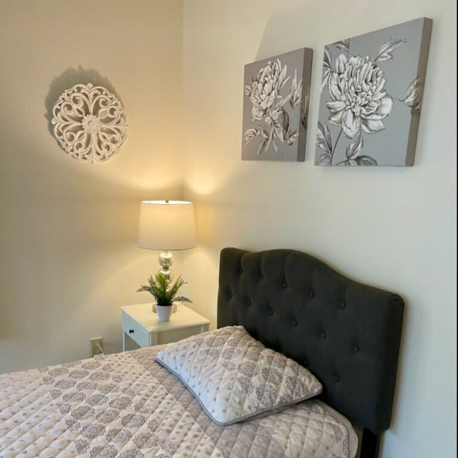
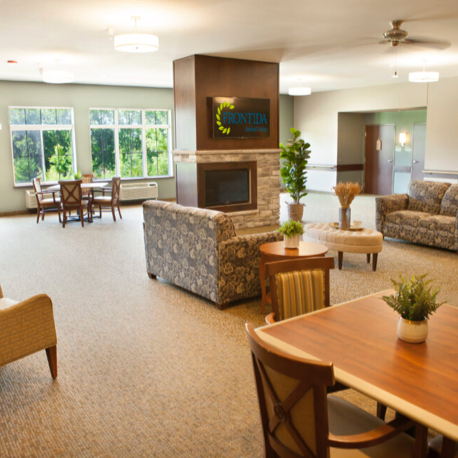
Beyond safety, these communities are created to feel warm and inviting. You’ll find comfortable common areas where residents can relax, chat with friends, or enjoy quiet time. Many communities encourage residents to personalize their living spaces with familiar furniture and cherished keepsakes.
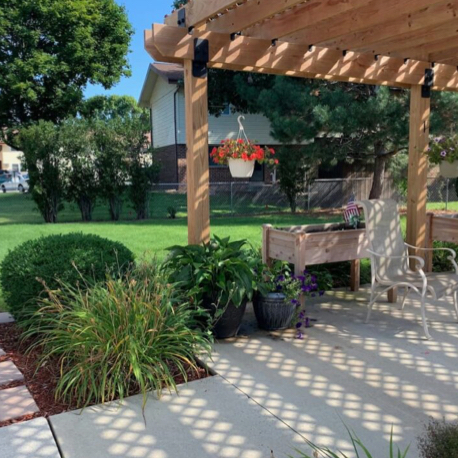
Access to the outdoors is another important feature. Secure patios and gardens provide a safe way for residents to enjoy fresh air and sunshine, which can positively influence mood and well-being.

Personalized Activities and Social Engagement
Programs to Nurture Well-Being
A key part of memory care is offering activities that resonate with each person. Programs are often designed around residents’ personal histories, hobbies, and interests. This approach helps individuals feel seen and valued.
You might find a variety of engaging memory care activities, such as:
- Music and art programs
- Gentle stretching or walking groups
- Sensory activities that engage the senses
- Activities that reflect familiar pastimes
Opportunities for Connection
Social engagement is woven into the fabric of daily life. Group activities provide a wonderful opportunity for residents to build friendships and feel a sense of belonging. Staying connected is important, as social isolation can pose health risks for older adults. At the same time, you can always find quiet spaces for meaningful one-on-one visits with your loved one.
Community dining also plays an important role. Sharing meals together in a pleasant setting encourages conversation and creates a consistent, positive social experience each day.
How Memory Care Provides Compassionate and Consistent Senior Care
Assistance With Daily Routines
A dedicated team provides gentle support with daily routines. This can include help with personal care, dressing, and reminders for meals, all delivered with kindness and respect. These tasks are sometimes referred to as Activities of Daily Living (ADLs). A consistent schedule helps create a predictable rhythm to the day, which can be very comforting.
Health and Wellness Coordination
The team is also there to support health and wellness. This includes help with managing medications and coordinating with other healthcare providers to keep care seamless. Learning what services memory care offers can give you a clearer picture of this support. With a team available 24 hours a day, you can feel reassured that your loved one’s needs will be addressed at any time.
Compassionate Support Rooted in Community
Choosing memory care is about more than finding support for memory loss. It’s about ensuring your loved one feels safe, respected, and supported in a setting that offers consistency, familiarity, and reassurance each day. Thoughtfully designed memory care communities provide structured routines, calming spaces, and meaningful moments that help individuals living with Alzheimer’s disease or other forms of dementia feel more at ease and connected.
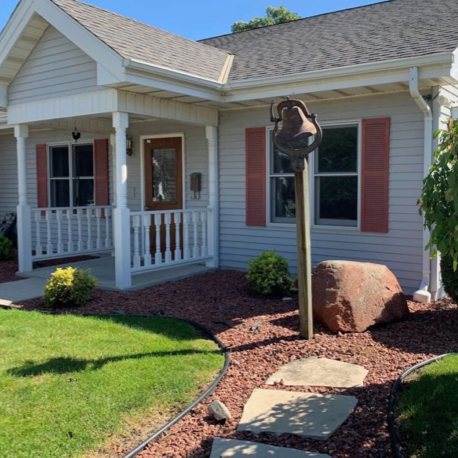
At Liberty House, that support is shaped by both the community itself and its surroundings. Secure outdoor spaces, and dedicated memory care support help residents move through their day with confidence, while familiar routines and purposeful engagement create a sense of stability.
Families often find reassurance in knowing their loved one is supported by a consistent team in a calm, welcoming environment designed specifically for memory care. If you’re considering options for someone you love, visiting Liberty House in person can provide clarity and peace of mind.
Schedule a tour to explore the community, meet the team, and see how compassionate, locally rooted memory care can support both residents and families alike.