Key Takeaways
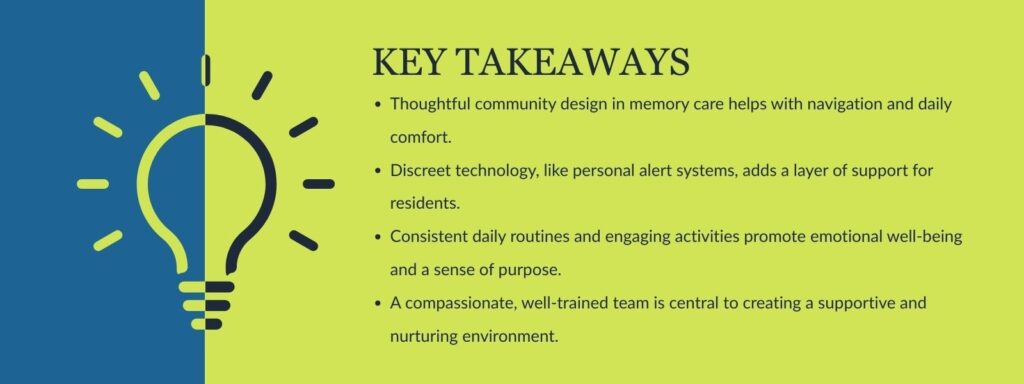
- Thoughtful community design in memory care helps with navigation and daily comfort.
- Discreet technology, like personal alert systems, adds a layer of support for residents.
- Consistent daily routines and engaging activities promote emotional well-being and a sense of purpose.
- A compassionate, well-trained team is central to creating a supportive and nurturing environment.
Explore Safety in Memory Care Communities
When you think about safety in a memory care setting, you might picture accessible bathrooms or secure entrances. While these are important, the support offered by Frontida of Kimberly goes much deeper. It involves many elements working together to create a reassuring and comfortable atmosphere for your loved one.
You will find that a supportive memory care environment is built on several layers of thoughtful features, from the physical layout and helpful technology to the structure of the day and the training of the care team. Understanding what memory care is and its different aspects can help you recognize what makes a community truly nurturing.
Thoughtful Community Design for Everyday Ease
As you explore a memory care or assisted living community, you may notice that the physical environment is designed with clear intention. When you begin choosing the right memory care community, you will see these features are in place to help residents move through their day with more comfort and ease.
Secure and Accessible Outdoor Areas
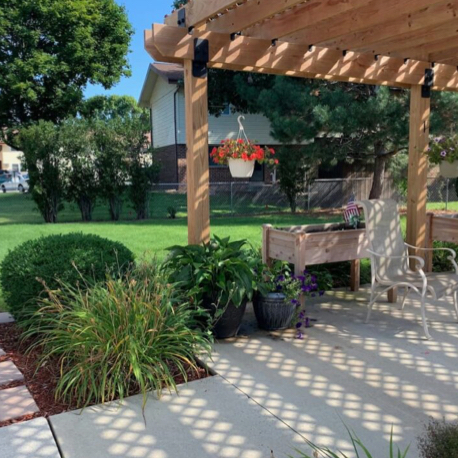
Enclosed gardens and courtyards offer a safe space to enjoy fresh air and sunshine. These areas allow for gentle walks and a connection to nature without any navigational worries, which is especially helpful for residents who may experience wandering. You will often find level and well-maintained walking paths that encourage movement and independence outdoors.
Easy-to-Navigate Interior Spaces
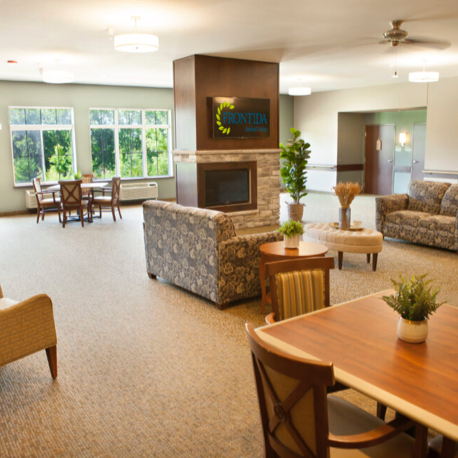
Simple floor plans with clear sightlines help with orientation, making it easier to find the dining room or common areas. This can reduce confusion and promote a sense of familiarity. Visual cues, like distinct colors for different areas, can also aid recognition and help guide residents through the community.
How Supportive Technology Adds a Layer of Security
Modern senior living communities often use technology that works quietly in the background. This technology supports resident well-being without feeling intrusive, bringing peace of mind to both residents and their families. This support with activities of daily living is a core part of the care provided.
Personal and Discreet Alert Systems
Many residents have wearable pendants.. These simple devices allow them to call for help at any time, day or night, with just the press of a button. Silent alarm systems can also alert team members to a need without causing distress to residents with loud noises.
Automated Comfort and Safety Features
The services memory care offers often include secure doors that manage entry and exit, another common feature helping to keep residents safely within the community.
The Role of Routine and Purposeful Engagement
Safety in memory care goes beyond the physical environment. A sense of emotional security comes from a predictable daily rhythm and activities that provide purpose and connection. This structure is a key part of high-quality senior care.
A Predictable and Reassuring Daily Flow
Consistent schedules for meals, rest, and activities create a calming rhythm. Knowing what to expect from the day can reduce anxiety and provide a comforting sense of stability. Within this routine, there is also flexibility to accommodate individual needs and preferences.
Activities That Nurture Connection
Programs are often designed to match the interests and abilities of each resident. Whether it is through memory care activities like art, music, or gardening, these engagements offer joy and a sense of accomplishment. For example, participating in the arts can support healthy aging, while group activities foster social bonds and a sense of belonging.
Specialized Team Support and Training
The heart of any memory care community is its team. The way caregivers are trained to interact with and support residents is a foundational feature, built on compassion and respect.
A Person-Centered Approach to Senior Care
Care plans are often based on each person’s unique history, passions, and daily needs. This approach recognizes each resident as a whole person, which is a hallmark of quality care. Team members take the time to build genuine, trusting relationships, which is fundamental to providing attentive and empathetic support.
Continuous Education for Compassionate Caregivers
Team members receive ongoing education in effective communication techniques and supportive care methods. A focus on positive redirection skills and knowing how to talk with someone with dementia helps caregivers respond to challenging situations with patience and understanding.
Find Comfort in a Supportive Community
Choosing the right senior living setting is a significant decision for your family. Understanding these different layers of safety and support can help you feel more informed as you consider the available options for your loved one.
When you are ready to learn more, the team at Frontida Assisted Living is here to help. You can learn about important questions to ask when you’re on a tour and see how a community built on trust, accountability, and teamwork creates an environment where everyone can flourish.