
Key Takeaways
- Lewy body dementia (LBD) is a type of dementia with fluctuating attention, cognitive challenges, and motor symptoms.
- The journey through LBD happens in stages, with changing symptoms that require more support over time.
- A structured memory care environment can provide comfort and stability for your loved one.
- Finding the right senior living community involves asking about their LBD experience and personalized care approach.
Understand Lewy Body Dementia
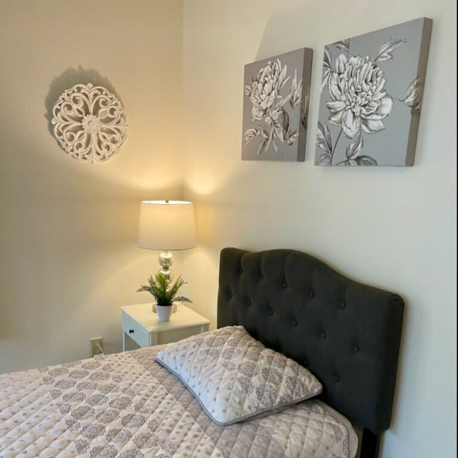
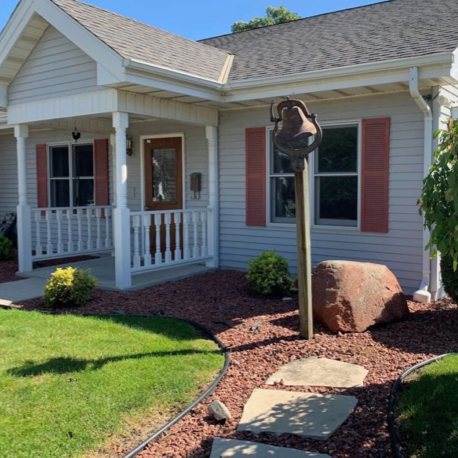
When a loved one receives a Lewy Body Dementia diagnosis, you may feel overwhelmed with questions and uncertainty. Your focus is on understanding what this means for them and for your family. Liberty House provides a safe, thoughtfully designed environment with well-equipped rooms and personalized care tailored to each resident’s needs.
Lewy body dementia is a condition that can affect a person’s thinking, movement, and behavior due to tiny protein deposits in the brain called Lewy bodies. Unlike some other forms of dementia, its symptoms can change from one day to the next, which can be confusing for both the person experiencing them and their family. This fluctuation is a key characteristic of LBD, making a flexible and patient approach to any kind of memory care very important.
The Early Stage and Its Signs
In the beginning, the changes you notice might be small and inconsistent, making them easy to dismiss. Early support in a structured senior living community can help create a positive and reassuring daily life from the start.
Changes You Might Notice First
At first, your loved one might show subtle signs that seem unrelated. Some of these initial shifts can include:
- Small changes in thinking, concentration, or reasoning
- Seeing things that are not there (visual hallucinations)
- New stiffness, slowness, or shakiness when moving
- Changes in sleep, such as acting out dreams vividly
Recognizing these signs early can help you plan for future care needs and find the right support systems for your family.
The Role of Supportive Care
A calm and predictable environment can be very helpful during the early stage. The structure of a memory care community is designed to provide this kind of reassurance. Consistent daily rhythms and gentle guidance can help your loved one feel more comfortable and secure as they manage these new challenges.
Progression to the Middle Stage
As LBD progresses, symptoms may become more noticeable and consistent. Your role as a supportive family member may also change as you help with more daily needs. This is when consistency and specialized care become even more important.
How Symptoms Can Evolve
During the middle stage, you may see more significant changes that affect day-to-day life. These can include:
- More frequent confusion or attention problems
- Increased motor challenges that affect balance and walking, similar to Parkinson’s
- Changes in speech, making it softer or harder to understand
- A greater need for help with personal care and daily activities
These evolving symptoms require a care approach that is adaptable and understanding of the person’s fluctuating abilities.
The Value of a Daily Routine
A calm and predictable routine provides a powerful sense of security. In a senior living community, this is created through familiar schedules for meals, activities, and rest. This consistency not only helps reduce confusion but also provides a comforting framework for each day.
What to Expect in the Late Stage
The late stage of LBD calls for a focus on comfort and dignity. The need for compassionate, around-the-clock support increases as your loved one requires assistance with nearly all aspects of daily living.
A Focus on Comfort and Dignity
During this stage, your loved one will depend on others for most of their needs. The emphasis of care shifts to their comfort, safety, and being treated with respect. Support will likely be needed for:
- All personal care, from dressing to bathing
- Mobility, as they may have significant trouble moving on their own
- Eating and swallowing safely
- Emotional well-being in a peaceful environment
Care often includes sensory stimulation, like listening to music or gentle touch, to provide comfort and connection.
Compassionate Memory Care Support
Specialized memory care provides the comprehensive support needed in the late stage. Care teams are trained to offer assistance that prioritizes physical comfort and emotional connection, even when verbal communication becomes difficult. The environment is designed to be peaceful and reassuring.
How to Find Support for Your Family
When you explore your options, it is helpful to know what to look for in a memory care community. You want to find a place where your loved one will be understood and where you will feel like a valued partner in their care.
Questions for a Senior Care Community
When you connect with a community, having a few questions prepared can help you get a better sense of their approach. Consider asking:
- What specific experience does your team have with Lewy body dementia?
- How do you create personalized care plans for residents?
- Can you describe a typical day for someone in your Memory Care program?
- How do you communicate with families about their loved one’s well-being?
The answers can reveal a lot about the community’s culture and its commitment to individualized care.
What a Supportive Environment Looks Like
A supportive community is more than a pleasant building—it is about the people and the culture they create. It is a place where team members communicate openly and work together to support residents and their families.
At Liberty House, our team is dedicated to creating welcoming communities where residents can flourish. If you are looking for a place that respects your loved one while providing compassionate support as their needs evolve, you can learn more about our approach to memory care by visiting us in person.
Contact us today to schedule your tour.