
Key Takeaways
- Late-stage dementia often involves changes in communication and a greater need for daily support in a calm setting.
- Memory care communities offer a specialized approach with a soothing atmosphere and personalized senior care routines.
- Daily life in memory care focuses on gentle activities, connection, and individual comfort to support well-being.
- Considering memory care is often prompted by a focus on a loved one’s safety and the needs of family caregivers.
Navigating the later stages of dementia with a loved one brings a unique set of questions and concerns. You want to know they are safe, comfortable, and receiving the kind of thoughtful support that honors who they are. Teams at modern senior living communities recognize that this journey calls for patience, understanding, and a supportive environment.
Memory care provides a specialized and nurturing setting designed to support individuals with advanced dementia through personalized senior care, a secure environment, and a focus on dignity. This approach helps create a sense of calm and well-being, offering peace of mind for both your loved one and your family.
What Can Late-Stage Dementia Look Like?
As you support your loved one, you may notice shifts in their daily life. This article is about meeting them where they are with compassion, and understanding these changes can help you provide gentle support.
Changes in Communication and Awareness
Conversations may evolve as the common stages of dementia progress, with your loved one relying more on non-verbal cues. Their awareness of surroundings might also change, making familiar faces and simple routines more comforting.
Increased Need for Daily Support
Everyday tasks, like dressing or eating, may require more hands-on help. These activities of daily living can become challenging, and mobility may also be more limited. This increased need for support is a natural part of the journey.
The Importance of a Calm and Secure Environment
A predictable and peaceful setting becomes very helpful for your loved one, especially to help manage behaviors like wandering. Loud noises or busy spaces can be overwhelming, so a calm atmosphere can greatly contribute to their sense of security. A consistent daily rhythm helps create a feeling of stability.
How Can Memory Care Provide Specialized Support?
Memory care communities like Adelaide Place are designed to offer a compassionate setting for individuals with advanced dementia. The focus is on promoting comfort, dignity, and quality of life through dedicated senior care.
A Safe and Soothing Atmosphere
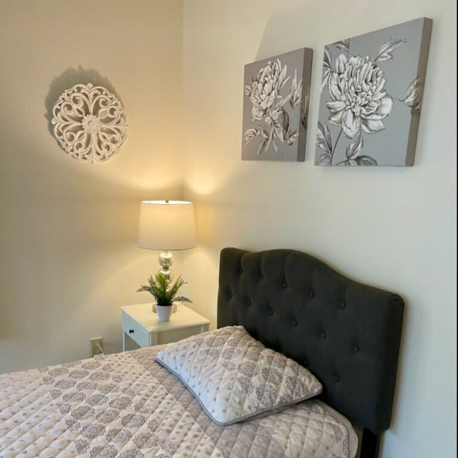
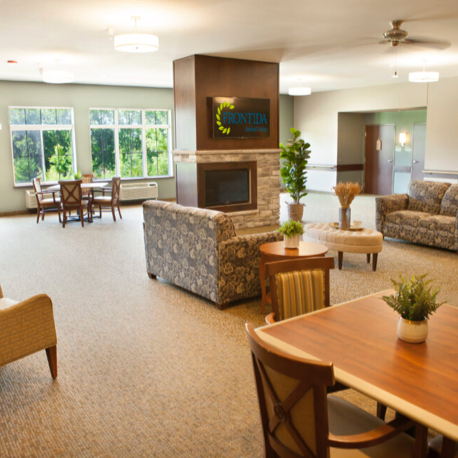
These communities are built to be reassuring, with easy-to-navigate layouts and secure outdoor spaces. Every detail is considered to reduce confusion and create a serene atmosphere where your loved one can feel at ease.
Personalized Senior Care Approaches
Each person’s care is unique. Teams work with families to understand a resident’s life story and preferences, which helps shape a care plan that feels familiar and respects their individuality.
Help with Personal Routines
Support is always available for daily personal care. Whether it’s help with bathing, dressing, or medication reminders, the team provides assistance with kindness and respect. The goal is to help your loved one feel their best each day.
Dedicated and Compassionate Team Members
The people providing care are at the heart of the experience. Team members in memory care communities receive ongoing training on how to best support individuals with dementia. They approach their work with empathy, which also helps families manage their own caregiver stress.
What Does Daily Life Look Like in a Memory Care Community?
A supportive routine can be helpful for someone in the later stages of dementia. Life in a memory care community is structured around a gentle rhythm that balances engagement with quiet time.
Gentle and Engaging Activities
Activities are designed to be enjoyable and accessible. Instead of complex tasks, the focus is on sensory experiences and memory care activities like listening to beloved music or simple art projects. These moments are meant to spark joy and connection.
Support During Mealtimes
Mealtimes offer nourishment and social connection in a calm environment. Team members are on hand to offer assistance, and menus often feature familiar, easy-to-eat foods to make the experience pleasant.
Opportunities for Social Connection
Even in later stages, connection matters. Communities foster opportunities for positive social interaction in small, comfortable group settings, which can help combat the health risks of social isolation. This could be as simple as sitting with others in a sunny room.
A Focus on Individual Comfort
Above all, the day is centered around your loved one’s comfort. If they prefer quiet solitude, their needs are respected. The team is attuned to each person’s cues and adjusts the flow of the day accordingly to promote a sense of well-being.
When to Explore Memory Care Options
Deciding on the right support for a loved one is a significant consideration. While there is not one single moment that signals it is time, certain factors can help guide your thoughts about memory care.
Your Loved One’s Safety and Well-Being
Your loved one’s safety is a primary concern. If you are worried about them wandering or managing their daily needs, those are often signs a person needs memory care. A community with 24-hour support can provide a secure environment.
The Needs of Family Caregivers
Caring for a person with advanced dementia is demanding. If you find your own health is affected, it is important to avoid caregiver burnout. Exploring other options becomes helpful when you can no longer provide the needed level of care.
The Benefits of Professional Senior Care
Memory care teams have specific training and experience. They understand how to communicate effectively and provide compassionate support for complex needs. This dedicated focus can greatly enhance your loved one’s daily quality of life.
How Assisted Living and Memory Care Work Together
Many senior living communities offer a continuum of care. Understanding how assisted living works for someone with dementia can be a good starting point. A person may start there and then move to memory care as their needs change.
Thoughtful Memory Care in a Familiar Fond du Lac Setting
Choosing memory care for a loved one in the later stages of dementia is a decision rooted in safety, comfort, and trust. As needs become more complex, families often look for a setting that provides consistent support while preserving dignity and calm. A well-designed memory care community offers structure, reassurance, and compassionate care that adapts to each individual’s daily rhythms.
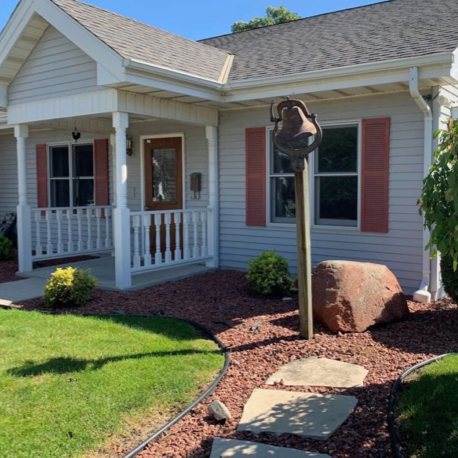
Located in Fond du Lac, Adelaide Place offers a peaceful, residential environment near the shores of Lake Winnebago, allowing residents to remain connected to a familiar community. Adelaide Place provides assisted living, specialized memory care, and short-term respite stays, supporting families through every stage of the caregiving journey. Secure indoor and outdoor spaces, intuitive layouts, and a dedicated memory care team help create a soothing atmosphere where residents can feel safe and supported throughout the day.
At Adelaide Place, memory care is centered on understanding each resident’s life story, preferences, and comfort needs. Gentle routines, personalized support, and meaningful engagement are thoughtfully woven into daily life, helping residents experience calm, connection, and dignity even in the later stages of dementia.
For families in the Fond du Lac area seeking clarity and reassurance, visiting the community can provide peace of mind. Schedule a tour of Adelaide Place to learn how their compassionate memory care approach supports both residents and the families who love them.