
Key Takeaways
- Behavioral health senior care supports emotional, mental, and social well-being alongside physical needs.
- Ongoing changes in mood, behavior, or daily routines can signal that additional support may be helpful.
- A specialized community offers structure, understanding, and opportunities for meaningful connection.
- Choosing the right option means looking for dignity, open communication, and a genuinely supportive environment.
You may begin to notice subtle or sudden changes in a loved one’s mood, behavior, or ability to manage daily life and find yourself wondering what those changes mean. It’s not always easy to know when concern becomes a need for added support, especially when emotions, history, and family dynamics are involved. These moments often carry a great deal of uncertainty, and it’s natural to want reassurance that you’re making thoughtful decisions rooted in care and respect.
Recognizing when behavioral health assisted living may be beneficial often comes from looking at the whole picture: emotional well-being, daily safety, and quality of life. When needs extend beyond what can be consistently supported at home, a community designed to provide compassionate structure and understanding can offer stability, relief, and a supportive path forward for everyone involved.
What Is Behavioral Health Senior Care?
Behavioral health support in a senior care setting addresses more than just physical health—it’s about caring for the whole person. This approach considers emotional, mental, and social wellness, improving quality of life by recognizing that each person’s story and passions are part of their journey. A focus on enriching daily life is a key part of this.
Because every person is unique, their care should be, too. Care plans developed around an individual’s personal history and preferences can make the transition to a new environment smoother. This personalization helps create a supportive atmosphere where residents feel comfortable and understood, which is central to the Frontida philosophy of care.
What Are The Signs More Support May Be Helpful For Your Senior Parent?
Changes in Mood and Behavior
Shifts in a person’s temperament can be a sign that their environment is no longer meeting their needs, sometimes due to feelings of isolation or frustration. Consider if you notice:
- Increased agitation, anxiety, or irritability
- A loss of interest in hobbies and social activities, which can sometimes be a sign of depression in older adults
- Noticeable withdrawal from family and friends, which can relate to the challenges of social isolation
Challenges with Daily Routines
When daily tasks become more difficult, it can affect a person’s quality of life and sense of independence. These challenges with activities of daily living (ADLs) might look like:
- Difficulty with personal care, such as bathing or dressing
- Issues with medication management or remembering appointments
- A significant change in the upkeep of their personal space
Concerns About Safety and Well-Being
If you have growing concerns about a loved one’s safety, it may be time to explore other options. These warning signs for seniors can indicate a more supportive setting is needed:
- Moments of confusion or disorientation, even in familiar places
- An increase in behaviors that could be unsafe for them or others
- Challenges with nutrition or staying hydrated

What Are The Benefits of a Specialized Behavioral Health Community?
A Structured and Reassuring Environment
A predictable daily schedule in a calm setting can reduce stress and provide a deep sense of security. Knowing what to expect each day helps your loved one feel more grounded and at ease. Understanding what a day in the life looks like can offer comfort during their transition.
A Compassionate and Knowledgeable Team
A supportive care team makes a world of difference. Team members trained to provide patient, empathetic, and consistent support help residents feel heard, respected, and genuinely cared for. At Willowgreen Home, the team also understands mental health diagnoses in seniors and is skilled in accommodating and caring for these needs with compassion and expertise. This dedication to providing quality care is foundational.
Opportunities for Social Engagement
Connection with others is a key part of a fulfilling life. Planned activities and a community atmosphere encourage residents to stay engaged and build meaningful relationships with peers and caregivers, which can brighten their days.
What to Look For in Behavioral Assisted Living in Racine
A Focus on Dignity and Respect
A community should treat every resident as an individual with a rich life story. Look for a team that honors their background and personal choices. Understanding the emotional needs of older adults helps create an environment where residents feel valued.
A Team That Communicates Openly
When you are looking for senior living in Racine, find a community that values open communication. It helps to know the right questions to ask when touring, as you are an important partner in your loved one’s care and should always feel included.
A Welcoming and Supportive Atmosphere
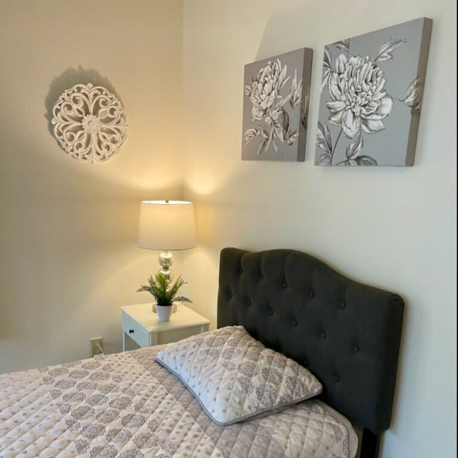
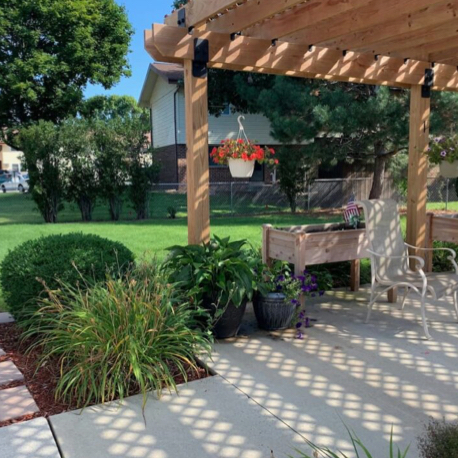
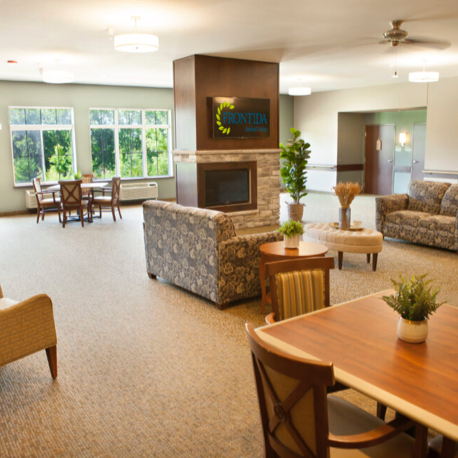
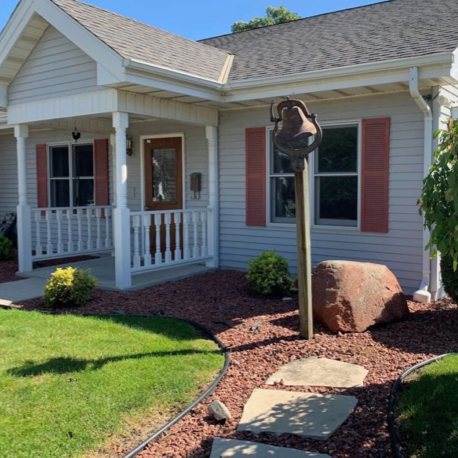
The right environment should feel warm, inviting, and positive. It should be a place where residents feel empowered to live with purpose and joy. In a true community, everyone feels they belong, and the team is happy to help when you get in touch with them.
A Thoughtful Next Step Toward Support and Stability
Deciding when behavioral health assisted living is needed is never simple. It’s a decision shaped by love, concern, and a desire to see your loved one feel safe, supported, and understood. When emotional well-being, daily routines, or safety begin to feel harder to manage at home, the right community can provide structure, reassurance, and meaningful connection—without losing sight of dignity or individuality.
At Willowgreen Home, care is grounded in compassion, trust, and collaboration. The community is designed to support emotional and behavioral health while honoring each person’s life experience, preferences, and sense of independence. With a knowledgeable team, a calming environment, and opportunities for connection, residents are supported in ways that feel steady, respectful, and human.If you’re wondering whether behavioral health assisted living could be the right fit, the best way to know is to experience the community for yourself. Book a tour of Willowgreen Home to see how thoughtful support, open communication, and a welcoming atmosphere can make a meaningful difference for your loved one—and for you.